
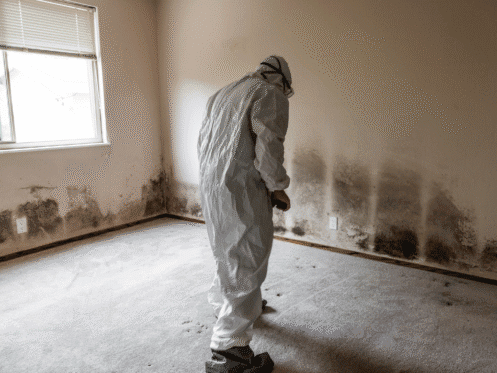
Storms in Indiana can leave behind hidden moisture that creates the perfect conditions for mold growth. Once water gets into a home, it does not need long to settle into walls, flooring, insulation, and air pockets. Mold can begin forming in one or two days, and by the time homeowners notice a musty smell or a stain, the problem has already spread. Knowing how to respond after severe weather is the best way to avoid mold after storms and protect both your home and your health.
Indiana weather makes things even more challenging. The mix of humidity, rapid temperature changes, and heavy seasonal rain allows moisture to linger in places you cannot see. This guide explains what to do in the first few days after storm damage so you can stay ahead of mold growth and avoid unnecessary repairs.
Why Mold Forms Quickly And How To Avoid Mold After Storms
Mold grows when moisture and organic material meet. Homes contain plenty of both. Wood, drywall, flooring, carpet padding, insulation, and dust all feed mold. Storms introduce the missing ingredient: water. When rain enters through a damaged roof, when a basement floods, or when wind driven moisture gets behind siding, mold has everything it needs to grow.
Humidity plays a major role. Even when surfaces appear dry, damp air prevents the interior of a structure from drying fully. That interior moisture becomes the source of long term mold damage. To avoid mold after storms, homeowners must remove, control, and monitor moisture from the start.
Remove Standing Water Immediately
Standing water is the fastest path to mold. Water sitting on floors, in basements, or behind walls spreads quickly into structural materials. The longer it stays, the deeper it moves. Removing standing water is the first and most urgent step to avoid mold after storms.
Wet vacs, pumps, and proper extraction tools help speed up this process. Towels and box fans are not enough. Water that soaks into flooring or subflooring can cause mold even when the top layer looks dry. Acting quickly limits how far moisture travels and lowers the chances of long term damage.
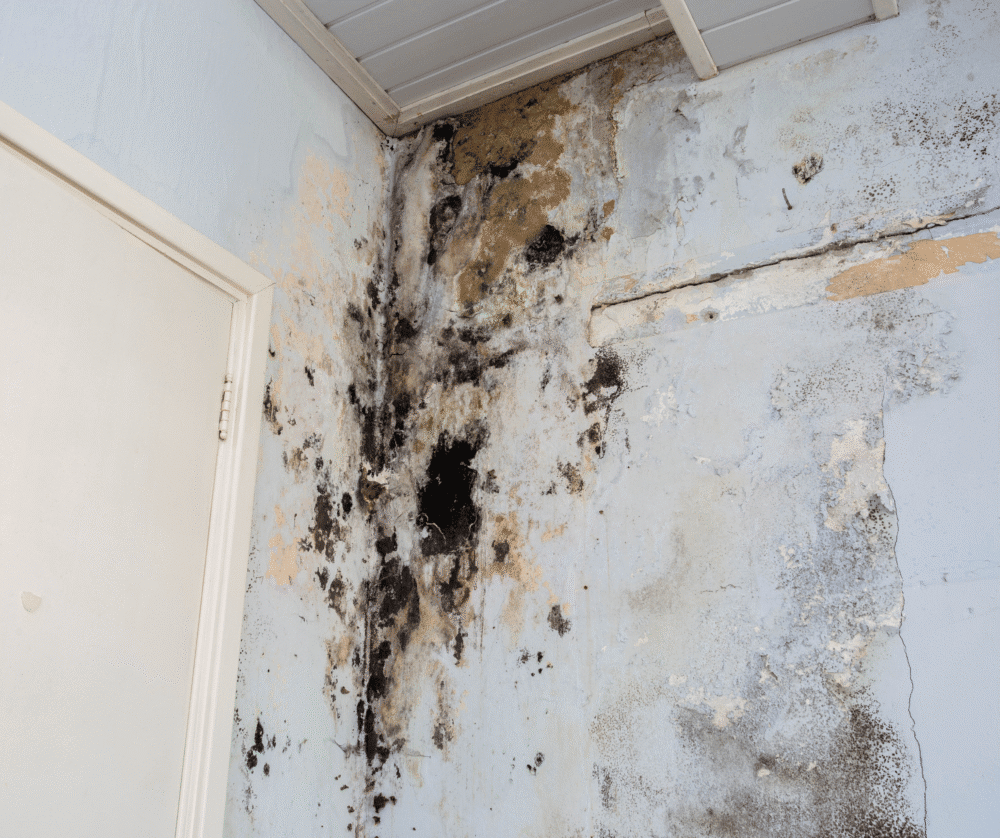
Reduce Indoor Humidity Right Away
Even if all visible water is gone, mold can still grow when humidity stays high. After a storm, indoor air becomes heavy with moisture. This moisture collects in corners, ceilings, and inside materials where you cannot see it.
Lowering humidity is essential if you want to avoid mold after storms. Dehumidifiers, fans, and air conditioning work together to dry the air and speed up evaporation. Opening windows can help if the outside air is dry, but during humid Indiana days, doing that can make conditions worse. Controlled airflow is much more reliable than natural ventilation.
Remove Materials That Stay Wet Too Long
Some materials simply cannot be saved after storm water reaches them. Carpet padding, insulation, drywall, and certain types of flooring trap water deep inside. If these items stay wet for more than a short period, mold begins to grow from the inside out. Even when the surface feels dry, the interior may remain damp enough for mold to thrive.
Removing damaged materials early protects the structure and prevents recurring mold issues. Leaving them in place only delays the problem and often results in more expensive repairs later. Proper disposal and replacement are part of effective mold prevention.
Inspect Hidden Areas For Moisture
Storm damage is rarely obvious. Water can travel far from the original point of entry. It can move along framing, seep under flooring, and drip into wall cavities. These hidden pockets of moisture are where mold often begins.
To avoid mold after storms, homeowners must look beyond surface level cleanup. Moisture inspections identify damp areas that would otherwise go unnoticed. Thermal imaging and moisture meters reveal water inside materials without tearing the home apart. This step is essential because missing even one damp corner can lead to mold growth weeks later.
Professional inspection is the safest approach here. Companies like Indy Roof and Restoration have the tools and training to track moisture throughout the home and confirm what needs attention.
Dry The Structure Completely
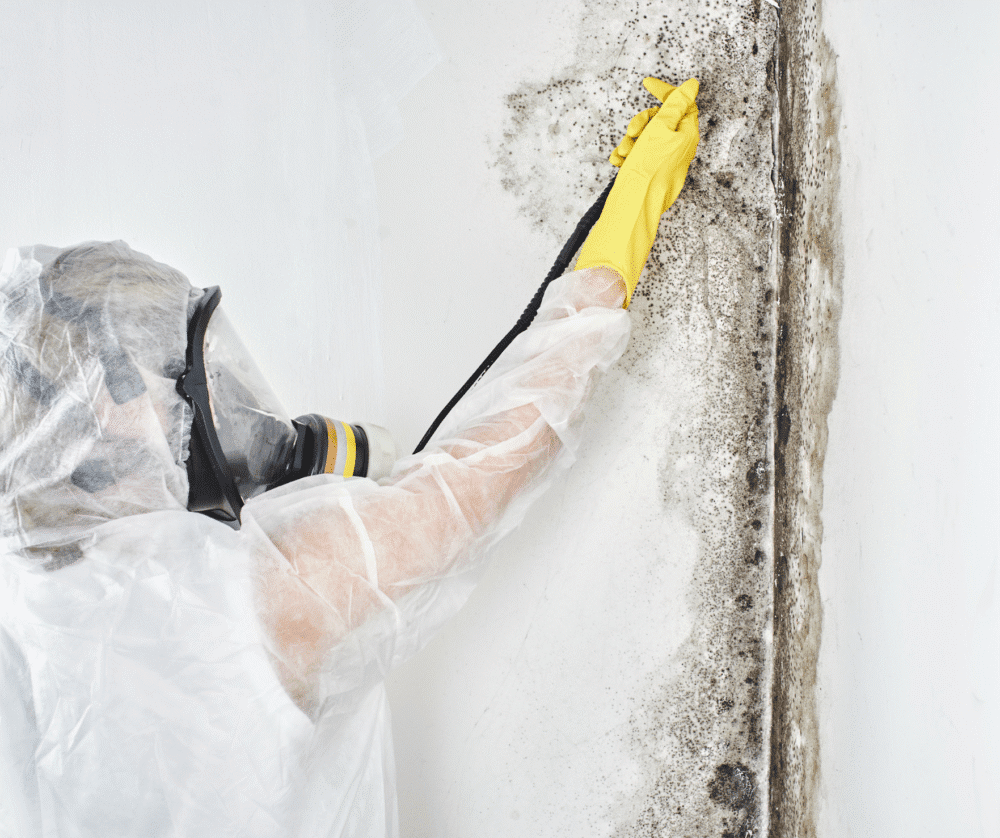
Drying is not just about blowing air around. Effective drying is a controlled process involving airflow, humidity reduction, and temperature management. Fans move air across surfaces. Dehumidifiers remove moisture from the air. Heat speeds up evaporation. Without this combination, only the surface dries while the interior stays wet.
Full structural drying helps ensure mold has no chance to develop. This step often takes specialized equipment that can run for days. Homeowners trying to dry a home using household fans usually find out later that mold formed behind walls or under flooring because the drying was incomplete. To avoid mold after storms, every layer of the structure must reach a safe moisture level.
Clean And Sanitize All Affected Areas
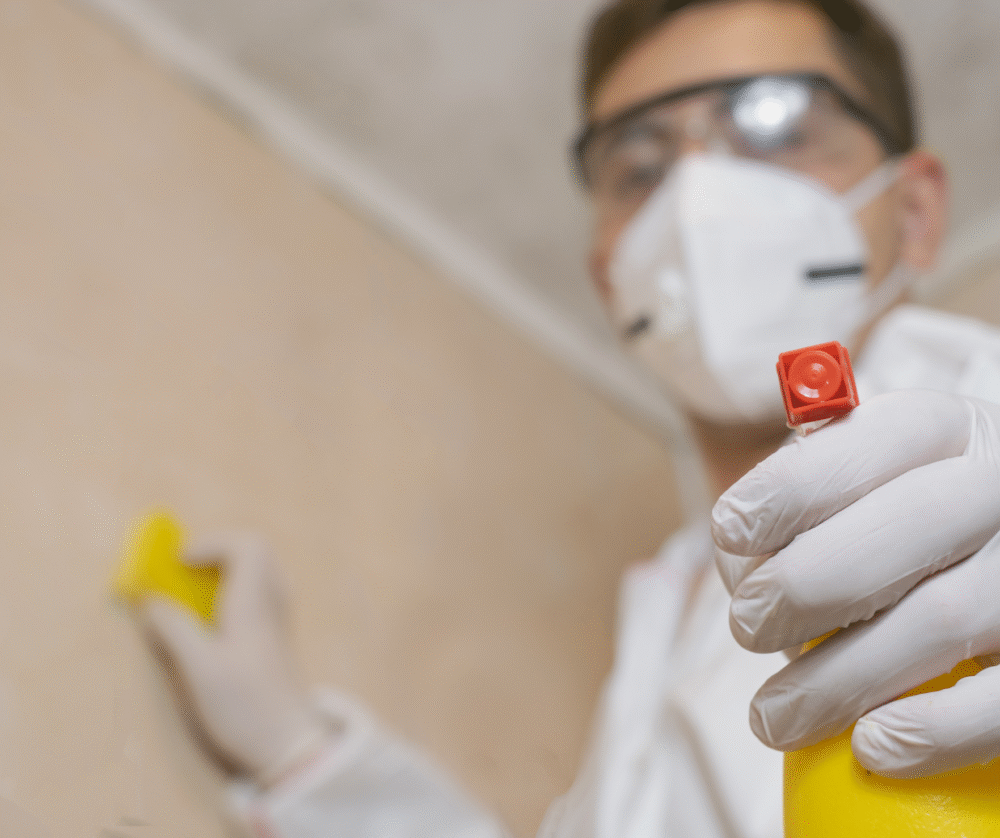
Mold spores can remain even after the moisture is removed. Cleaning and sanitizing prevent these spores from settling and growing. Professional grade antimicrobial treatments go deeper than household cleaners and help protect the home during the drying phase.
Bleach is not recommended for building materials. It does not penetrate surfaces effectively and can leave behind moisture, which encourages mold growth. Using the right products ensures the home remains safe and reduces the chance of future issues.
Repair The Source Of The Moisture
Storms often damage roofs, siding, gutters, windows, or vent openings. If the source of the moisture is not fixed, water will continue entering the home even after cleaning and drying. Finding and repairing the entry point is essential for long term protection.
A full roof and exterior inspection ensures the home is sealed properly. Fixing these problems early helps avoid repeated moisture intrusion and protects your investment for future storms.
Know When To Get Professional Help
There are moments when a homeowner can handle basic cleanup, but mold prevention often requires professional support. You should consider calling for help when
Moisture is located behind walls or under flooring
A musty odor remains after drying
Humidity does not drop
There is standing water you cannot remove
You are unsure how far water traveled
Someone in the home has allergies or breathing issues
Professional restoration teams know how to track moisture, prevent mold, and document the entire process for insurance. Indy Roof and Restoration provides certified water mitigation, mold remediation, and moisture inspection services for homeowners who want the job done correctly and safely.
Keeping Mold Out Of Your Home
The best way to avoid mold after storms is to act quickly, reduce moisture, and make sure the home dries completely. Storm damage does not have to turn into a long term problem. Prompt action protects your home and prevents mold from forming in the first place.
For homeowners who want expert support with water mitigation, moisture inspections, and mold prevention, Indy Roof & Restoration provides free comprehensive inspections and full water and mold restoration services.
